Quick answer
Live chat software is a tool that adds a chat window to your website so visitors can message your business and get answers in real time, from a person, a bot or an AI assistant. Your team replies from a dashboard that shows each visitor's page and history. Modern tools also connect website chat to WhatsApp, email and social messages in one inbox.
Key takeaways
- Live chat lets website visitors get answers in seconds without leaving the page, phoning or filling in a form.
- Core features are the chat widget, an agent dashboard, visitor tracking, saved replies, offline messages and reports.
- Bots and AI now answer common questions instantly, then hand over to a person.
- In Kenya, the best tools connect website chat with WhatsApp so the conversation can continue on the customer's phone.
Live chat software is a tool that places a small chat window on your website so visitors can type a question and get an answer while they are still on the page. Behind that bubble in the corner sits a dashboard where your team, a bot or an AI assistant replies, sees what the visitor is looking at, and keeps a record of every conversation.
This explainer is for business owners who keep hearing about live chat and want to know what it actually does, what to look for, and whether it is worth it for a Kenyan business already busy on WhatsApp.
What is live chat software, exactly?
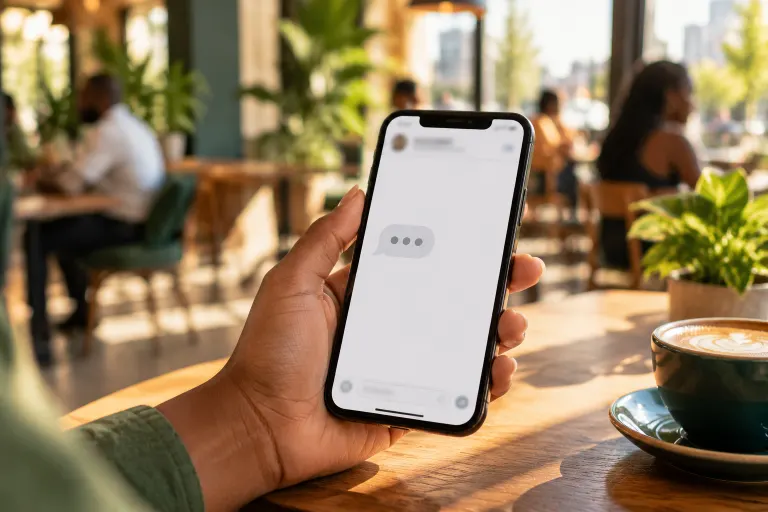
Live chat software has two sides. On your website, visitors see a chat bubble; tapping it opens a small window where they type. On your side, agents see incoming chats in a dashboard or app, reply in real time, and can see context such as the page the visitor is on.
The software usually loads through a short code snippet or a plugin, so it works on WordPress, Wix, Shopify and custom-built sites. Conversations are stored, so you can pick up where you left off when the visitor returns.
How does live chat work, step by step?
From the visitor's point of view, the flow is simple:
- A visitor lands on your page, perhaps from Google or a Facebook ad.
- They tap the chat bubble, or a pop-up invitation asks if they need help.
- A greeting and quick-reply buttons appear, such as "Prices", "Delivery" or "Talk to a person".
- A bot or AI answers straight away, or an agent picks up the chat.
- If nobody is online, the visitor leaves a message and contact details, or continues on another channel.
Behind the scenes, your team is notified of the new chat, can see the visitor's page and history, and can assign the chat to the right person.
What features should live chat software have?
Most tools share a common set of features; the differences are in how well they work together and with your other channels.
| Feature | What it does | Why it matters |
|---|---|---|
| Customisable widget | Colours, logo, greeting, quick replies | Looks like part of your brand |
| Agent dashboard | Lists chats, assigns them, shows history | Several people can answer without clashing |
| Live visitor view | Shows who is on the site, current page, source and device | Lets you greet ready-to-buy visitors |
| Bots and AI replies | Answers common questions instantly | Covers nights, weekends and busy periods |
| Saved replies | Reusable answers to frequent questions | Faster, consistent replies |
| Offline messages | Collects details when no one is online | No lost leads after hours |
| Channel handover | Continues the chat on WhatsApp or email | The conversation follows the customer |
| Reports | Volume, response times, busy hours | Shows where to improve |
What is a worked example of live chat in action?
Picture a furniture shop on Ngong Road with a website showing sofas and dining sets. At 8:15pm, a visitor from Google has spent three minutes on the page for an L-shaped sofa. The live visitors board shows them on that page, on a phone, on their second visit this week.
The visitor opens the chat and asks, "Do you deliver to Kitengela, and can I pay in instalments?" A bot answers at once with the delivery areas and the shop's payment options, and offers "Talk to a person". The visitor taps it. Nobody is in the showroom that late, so the chat offers a one-tap move to WhatsApp, and the visitor accepts.
The next morning the sales agent opens the shared inbox, sees the whole conversation (website chat and WhatsApp in one thread), sends photos of the sofa in two colours and a delivery quote, and closes the sale by M-Pesa before lunch. Without live chat, that visitor might have closed the tab and messaged three other shops instead.
How is live chat different from WhatsApp, email or a contact form?
Live chat is real-time and happens on your website. A contact form is slow and one-way; email is asynchronous and better for long or formal requests; WhatsApp is personal and continues after the visitor leaves your site.
Each has its place. For a fuller side-by-side, read live chat vs WhatsApp for your website. The practical answer for most Kenyan businesses is to answer all of them from one place, which is what a shared team inbox does.
Do bots and AI replace live agents?
No, they work alongside them. Bots handle predictable questions, such as opening hours, directions and delivery areas, and AI assistants can answer open-ended questions from your own business information. People handle complaints, negotiations and anything that needs judgement.
The important part is a smooth handover: the visitor asks for a person, and the agent sees everything the bot already said, so the customer does not repeat themselves.
How does chat.or.ke's live chat work?
chat.or.ke's website live chat is added with one line of code or a WordPress plugin. Your bot or AI replies at once with a natural typing pause, a live board shows who is on your site and which page they are reading, and pop-up invitations can appear on pages that matter, such as pricing.
Website chats land in the same inbox as your WhatsApp, SMS and email conversations, with the same assignment, internal notes and saved replies. Visitors can move to WhatsApp with one tap, and when nobody is online they leave a message or continue on WhatsApp. The AI assistant answers in English and Kiswahili from your knowledge base.
How much does live chat software cost?
Pricing varies: some tools are free with branding, many charge a monthly fee per agent, and AI features are sometimes extra. Check each vendor's pricing page, and compare options in our tawk.to alternatives guide.
chat.or.ke has no monthly subscription. You pay a one-off setup of KES 2,500 to go live on WhatsApp, then per message from a prepaid wallet topped up with M-Pesa. Details are on the pricing page.
Published 20 October 2026 Updated 20 October 2026 Plain-text version